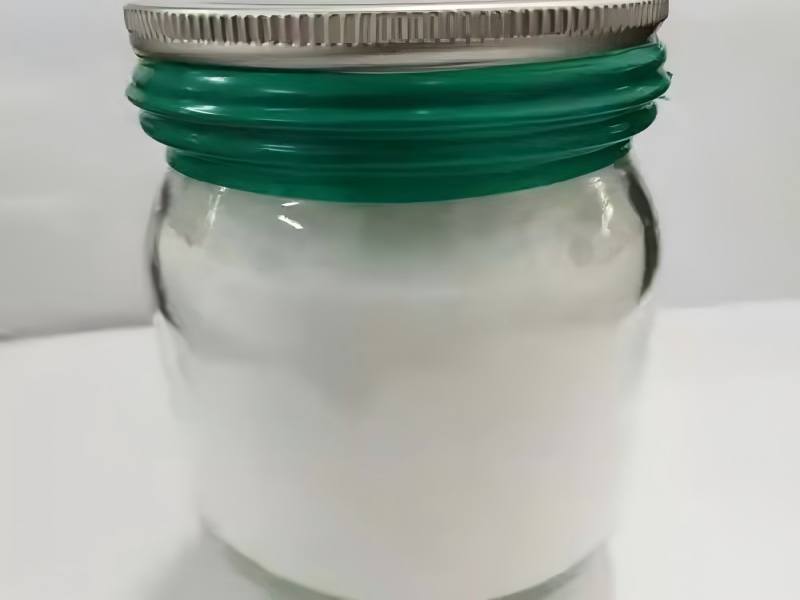
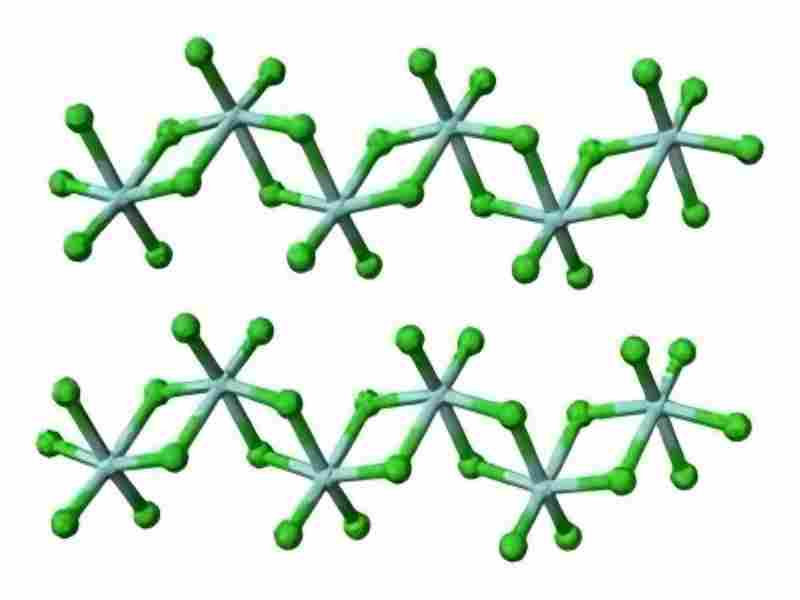
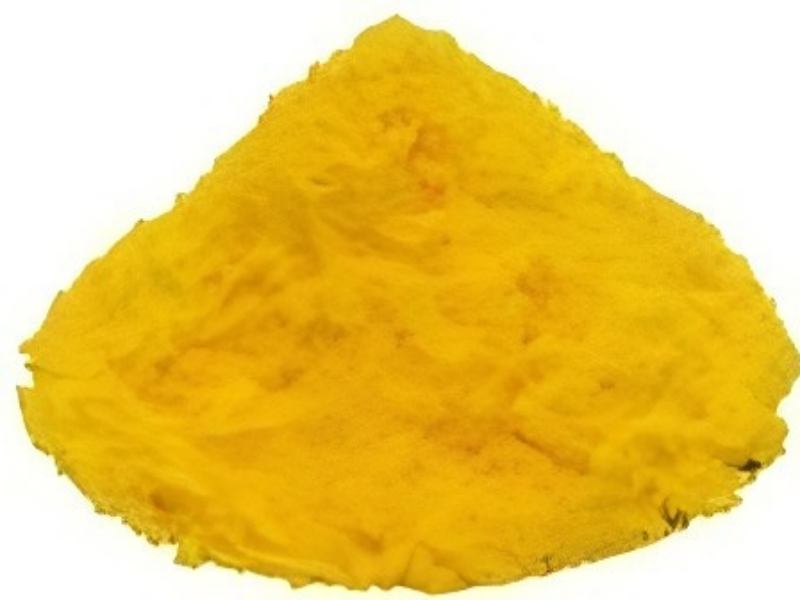
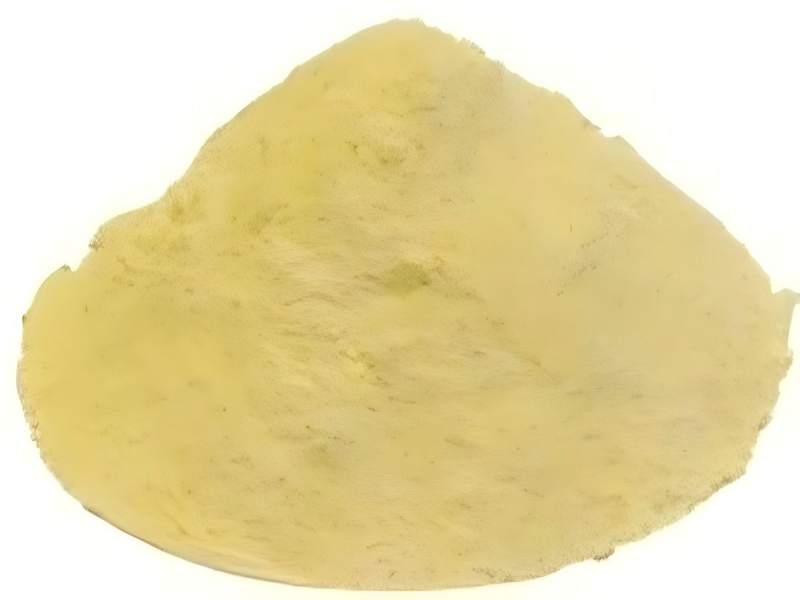
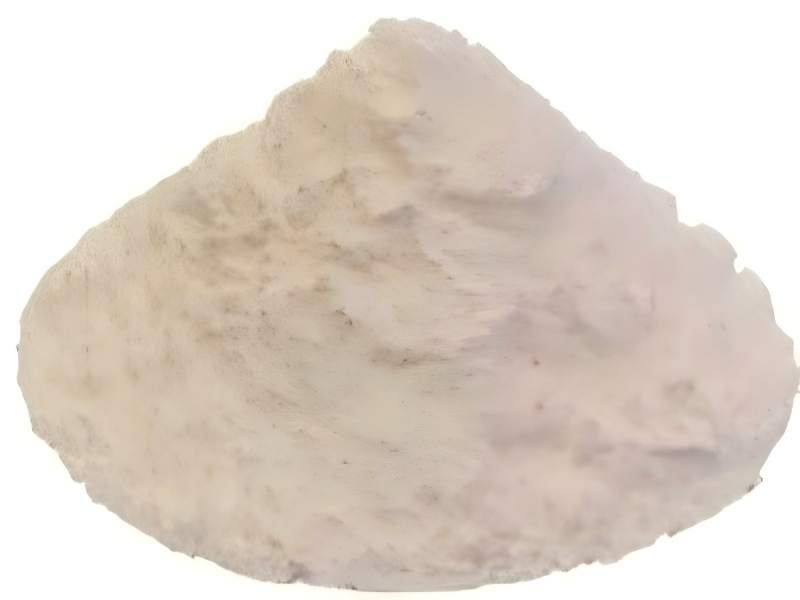
Тетрахлорид гафния (HfCl₄) Это бесцветное кристаллическое твердое вещество с молекулярной массой 320,30 г/моль и регистрационным номером CAS 13499-05-3. Оно плавится при 320 °C и подвергается сублимации при приблизительно 317 °C при атмосферном давлении. Соединение чрезвычайно гигроскопично и экзотермически и интенсивно реагирует с влагой, что требует хранения в безводных, инертных атмосферных условиях (например, аргоне или азоте) в герметично закрытых контейнерах. Из-за высокой коррозионной активности прямой контакт с кожей или глазами может привести к сильным химическим ожогам. Как коррозионно-опасное вещество класса 8 (UN2509), при обращении с ним требуется соответствующее индивидуальное защитное оборудование (СИЗ), включая химически стойкие перчатки, защитные очки и средства защиты органов дыхания в местах возможного образования пыли.
Стандарт предприятия: тетрахлорид гафния чистотой 5N.
| Символ | Li 7 (ppb) | Be 9 (ppb) | Na 23 (ppb) | Mg 24 (ppb) | Al 27 (ppb) | K 39 (ppb) | Ca 40 (ppb) | V 51 (ppb) | Cr 52 (ppb) | Mn 55 (ppb) | Fe 56 (ppb) | Co 59 (ppb) | Ni 60 (ppb) | Cu 63 (ppb) | Zn 66 (ppb) | Ga 69 (ppb) | Ge 74 (ppb) | Sr 87 (ppb) |
| УМХТ5Н | 0,371 | 2.056 | 17.575 | 6.786 | 87.888 | 31.963 | 66.976 | 0.000 | 74.184 | 34.945 | 1413.776 | 21.639 | 216.953 | 2.194 | 20.241 | 12.567 | 8.769 | 3846.227 |
| Zr 90 (ppb) | Nb 93 (ppb) | Mo98 (ppb) | Pd106 (ppb) | Ag 107 (ppb) | As 108 (ppb) | Cd 111 (ppb) | В 115 (ppb) | Sn 118 (ppb) | Sb 121 (ppb) | Ti131 (ppb) | Ba 138 (ppb) | W 184 (ppb) | Au -2197 (ppb) | Hg 202 (ppb) | Tl 205 (ppb) | Pb 208 (ppb) | Ви 209 (ppb) |
| 41997.655 | 8.489 | 181.362 | 270.662 | 40.536 | 49.165 | 5.442 | 0,127 | 26.237 | 1.959 | 72.198 | 0,776 | 121.391 | 1707.062 | 68.734 | 0,926 | 14.582 | 36.176 |
Комментарий: Вышеуказанные параметры были определены методом ICP-MS.
Для чего используется тетрахлорид гафния?
Тетрахлорид гафния (HfCl₄) — это универсальное неорганическое соединение, которое благодаря своим уникальным химическим свойствам находит широкое применение во многих высокотехнологичных областях:
- Полупроводники и электронные материалы: Он служит ключевым прекурсором для получения материалов с высокой диэлектрической проницаемостью (таких как диоксид гафния), используемых в изоляционных слоях затворов транзисторов для значительного повышения производительности микросхем. Он также широко применяется в процессах химического осаждения из газовой фазы (CVD) для нанесения тонких пленок металлического гафния или соединений гафния, используемых в высокопроизводительных транзисторах, запоминающих устройствах и т. д.
- Сверхвысокотемпературная керамика и аэрокосмическая промышленность: Используется в производстве сверхвысокотемпературных керамических материалов, обладающих превосходной термостойкостью, износостойкостью и коррозионной стойкостью. Эта керамика подходит для экстремальных условий, таких как горячие участки авиационных двигателей и сопла ракет. Кроме того, она может использоваться в материалах для корпусирования мощных светодиодов для улучшения теплоотвода и увеличения срока службы устройств.
- Катализ и органический синтез: Являясь эффективным катализатором Льюиса, он способствует таким реакциям, как полимеризация олефинов (например, в качестве прекурсора для катализаторов Циглера-Натта), этерификация спиртов и кислот, ацилирование и 1,3-диполярные циклоприсоединения, повышая скорость реакции и селективность. Он также используется в тонком химическом синтезе ароматизаторов и фармацевтических препаратов.
- Атомная промышленность: Благодаря своей высокой термической и химической стабильности, он применяется в системах охлаждения ядерных реакторов и в качестве покрытий для ядерного топлива, повышая коррозионную стойкость и термическую стабильность.
- Энергетический сектор: Используется в качестве сырья для синтеза твердых электролитных материалов, таких как фосфат гафния лития, для разработки литиевых батарей с высокой ионной проводимостью. Также служит прекурсором для высокоемкостных катодных материалов в литий-ионных и натрий-ионных батареях.
- Разделение циркония и гафния: Используя разницу в летучести тетрахлорида циркония и тетрахлорида гафния, их можно эффективно разделить с помощью фракционной дистилляции или газовой хроматографии. Это важный промышленный метод получения чистого гафния.
В заключение, тетрахлорид гафния играет незаменимую роль в полупроводниках, перспективных материалах, катализе, ядерной энергетике и новых энергетических секторах, утвердившись в качестве основного сырья в современных высокотехнологичных отраслях промышленности.






 IPv6 ПОДДЕРЖИВАЕМАЯ СЕТЬ